
Patients who’ve had neurosurgery procedures in Ahmedabad generally require four and eight weeks of rest for complete recovery. Incisions made during surgery can create discomfort up to a week after the procedure.
When the patient is back from surgery, what’s the most important thing to expect?
Patients who have neurosurgery in Ahmedabad generally recover consciousness immediately following the surgery, with no intervention. Sometimes, doctors seek to preserve the patient’s consciousness with the use of sedatives in order to aid in an easier recovery.
Utilizing a ventilator may assist patients to breathe during this period of. It is vital for the patient and family members to be aware of the expected outcomes after surgery, which should be discussed by the surgeon. Feeling grumpy and slow when you wake up from anesthesia and medication is common.
Recovery from Surgery
Due to the seriousness of the procedure, surgeons must conduct routine checks every 15 minutes. The surgeon is able to monitor the health of the patient’s brain by conducting periodic examinations. The nurse can ask a handful of questions and then examine your eyes. Furthermore, He periodically conducts checks for crucial indicators, such as blood pressure and heart rate.
The dressing is put over the wound. It is placed on the wound for a period of 5 days. The surgeon removes the sutures of 5 to 14 days following surgery. The neurosurgeon in Ahmedabad can choose to use stitches that disintegrate independently of one another and eliminate the requirement for removing sutures.
Do patients have to undergo shaving their heads before the surgery?
In certain instances doctors may decide to shave the smallest amount. This procedure may come as an unpleasant surprise to the patient at first. But, hair should develop in the future. A freshly cut head may initially be itchy, but the patient is advised not to touch the cuts.
Recuperation Efforts:
- The average length of hospitalization during a trans-nasal procedure varies between two and three days.
- If your physician recommends surgery to repair your craniotomy, then you might be required to stay a little longer in the hospital.
- In the aftermath of a transnasal operation, it is recommended to remain in a secluded area for approximately 4 to 6 weeks, and then return to work home in order to recover.
- If you’ve been through surgery to eliminate your craniotomy, recovery period is most likely to be longer than.
- Following the removal surgically of pituitary tumors typically occur once each 3 to 6 months.
The Management of Surgical Drains:
Because of the difficulty of the procedure as well as the requirement for multiple tubes to be used during postoperative recovery. It’s not difficult to imagine this procedure may be uncomfortable, however, keep in mind that not every patient has the capability of accessing each of the tubes. The potential content of the tubes
- The most common method of administering oxygen is by putting a mask on to the mouth and nose of the patient to provide oxygen.
- Drinks: Patients won’t be able to consume their normal meals or drink immediately after surgery. That’s why a variety of IV drips are employed to give medication in addition to fluids as well as blood transfusions. The cannula, which is the tiniest tube that you can insert through your palm or arm while central lines are longer lines which run into the neck. The drips are joined.
- Urinary catheter – it is placed so that the doctor will be able to observe the flow of urine that is produced by the patient. This will ensure that there is enough drinking water for the patient.
- Tubes are attached to cheeks and the nose for treating and treating nausea and vomiting.
- Drains: Patients could have some or all of the tubes that come from the wound. They are connected to bags or bottles according to the extent of wounds. The result is a drop in the cerebrospinal fluid.
- A doctor may insert an artery that has an instrument to draw blood for monitoring the pressure of blood.
- The tube is placed into the skull in order to determine the skull’s pressure (ICP). After a few days, it will usually be taken out.
Due to the seriousness of the situation because of the seriousness of the problem it is imperative that only the neurosurgeon hospital in Ahmedabad is to be considered to perform the procedure. It is affordable due to the price, accessibility, along with the huge number of skilled Ahmedabad surgeons working on treating the brain area, tourism typically decides to receive treatment.
Brain Imaging After Surgery
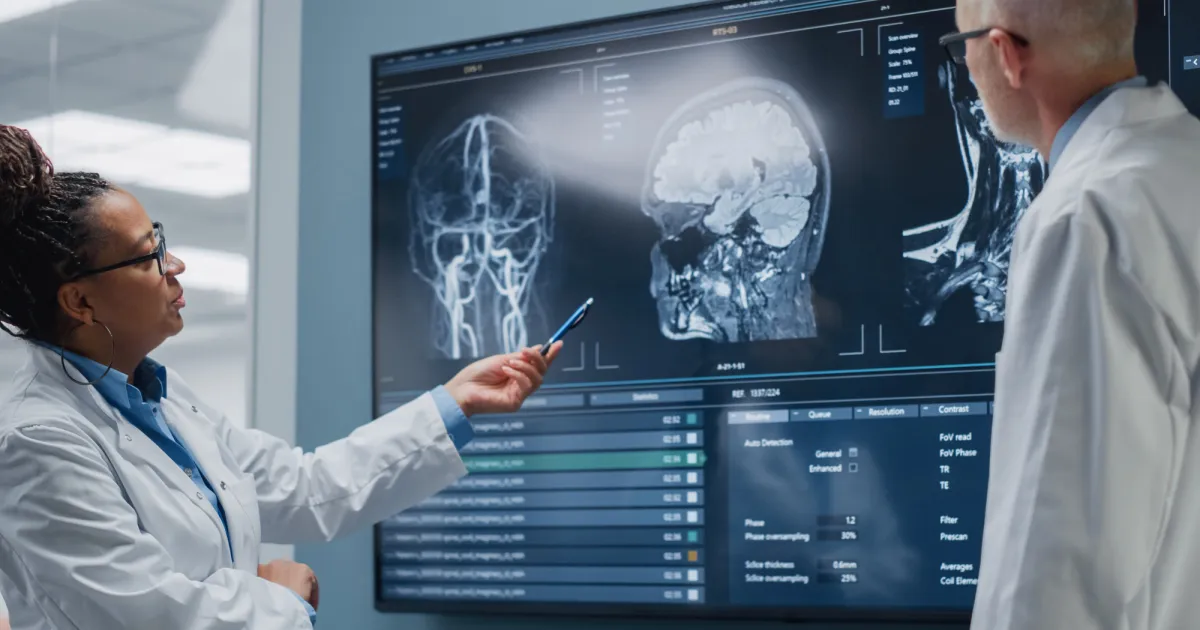
Imaging that utilizes MRI or CT scans is feasible for the patient in three or two days following the surgery. It can show the extent of postoperative edema or even the cancer that has remained.
The proper consumption of fluids is vital in order to prevent water deficiency. In addition, patients must be prescribed painkillers along with steroids in accordance with the directions. Healing the wound must be completed within the timeframe when the patient adheres to the instructions by the surgeon. A good for well-being is vital when you’re diagnosed with a tumor on the brain. It is important to adhere to the routine follow-up plan which a neurosurgeon doctor in Ahmedabad created to assist you.
The doctor will design a specific monitoring plan specifically tailored to your particular needs. This is because various types of cancers within the brain could be recurrent and develop. If you stick to this strategy, there is a chance that developing tumors in the future can be addressed and caught early. The regular follow-ups and the professional treatment under best neurosurgery in Ahmedabad will ensure early intervention and long-term outcomes that are superior.
FAQs About Neurosurgery in Ahmedabad
Q1. What is the definition of neurosurgery?
Neurosurgery is an area of medical expertise that is focused on the diagnosis and treatment of diseases which affect the spine, the nervous system, and brain with both non-surgical and surgical procedures.
Q2. Does neurosurgery need to be performed?
Sometimes, neurosurgery is required to treat illnesses such as neurotumors, spinal injuries, aneurysms, disc herniation, injuries to the brain that cannot be treated by medications by itself.
Q3. What are the risks in neurosurgery?
As with any procedure with a high degree of the risk of infection, neurosurgery is not free of risk factors like bleeding, infections in the nerve or nerve damage and the temporary alteration of the neurological process. Thanks to the development of new techniques and skilled surgeons there’s a substantial lower danger.
Q4. How long is recuperation time after neurosurgery?
The time required to recover is contingent on the type and severity of the operation. Patients who have neurosurgery procedures in Ahmedabad could require between 4-8 weeks for their complete recovery.
Q5. Do I feel pain when undergoing the procedure for neurosurgery?
Some discomfort or mild pain at the site of the cut may be felt during the process. Your doctor may prescribe medications and provide you with tips to make sure the recovery process is as comfortable as possible.
Conclusion
Neurosurgery is a complex and delicate procedure that requires knowledge, experience and expertise along with a sensitive and attentive approach. When you’re confronted with the effects of a cancerous tumor within your brain, spine injury, or any neurological problem immediate intervention is crucial to regaining your health and the long-term health of your body.
Highly trained and certified specialists equipped with advanced equipment. Neurosurgery located in Ahmedabad is a world class facility that provides care for all types of back and brain ailments. From the first diagnosis through to post-operative treatments, the entire process is planned in order to ensure security along with ease of access and faster healing.
Make an appointment now to see a trusted specialist in Neurosurgery at Ahmedabad and receive a personalised treatments that will aid in healing and general wellbeing. He provides brain tumor treatment, stroke treatment, hemorrhage treatment, brain aneurysm treatment, brain injury, spine injury, brain disorder treatment, skull base tumor, endoscopic spine surgery, minimally invasive spine surgery, spine fracture, sciatica pain treatment, slip disc treatment, cervical spine surgery in Ahmedabad.