
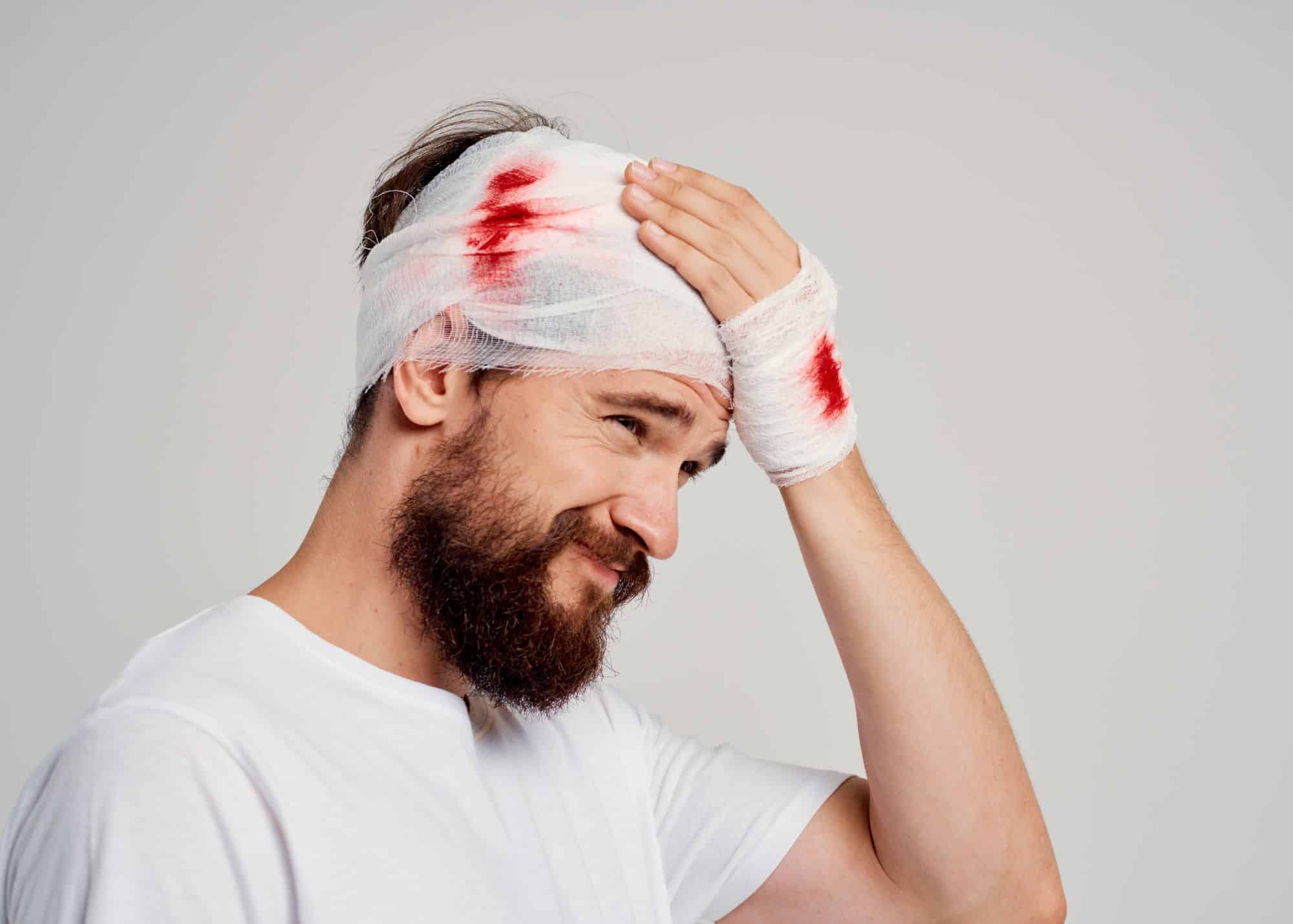
A fall from a bike, a road accident or a slip in the bathroom can happen to anyone. While many bumps to the head are minor, some injuries cause bleeding or swelling inside the skull that can become life-threatening within hours. Knowing the warning signs and acting quickly can make the difference between full recovery and permanent disability. This guide explains how head injury treatment in Ahmedabad works, from first aid at the scene to advanced neurosurgical care.
The information below is shared by Dr. Shailendra Solanki, a neurosurgeon in Ahmedabad who manages emergency brain and spine trauma, to help families make the right decisions when every minute counts.
What Is a Head Injury?
A head injury is any trauma to the scalp, skull or brain. Doctors separate head injuries into two broad groups. A closed head injury occurs when the skull remains intact but the brain is shaken or bruised inside it. A penetrating or open head injury occurs when an object breaks the skull and enters the brain.
When the brain itself is affected, the condition is called a traumatic brain injury (TBI), and it requires specialised brain injury treatment in Ahmedabad.
Common Causes of Head Injury in Ahmedabad
- Road traffic accidents, especially two-wheeler riders without helmets.
- Falls from height, on stairs or in bathrooms, particularly among elderly people and children.
- Workplace accidents at construction and industrial sites.
- Sports injuries and assaults.
Types of Head Injury
Concussion
A concussion is a mild brain injury that temporarily affects brain function. Symptoms include headache, dizziness, confusion and brief memory loss. Most people recover fully with rest, but they need monitoring.
Brain Contusion
A contusion is a bruise on the brain tissue. Large contusions can swell over the first few days and may need close observation in the ICU.
Epidural and Subdural Hematoma
These are collections of blood between the skull and the brain. An epidural hematoma can cause a patient to seem fine at first and then rapidly deteriorate. A subdural hematoma may develop quickly after severe trauma or slowly over weeks in elderly patients, especially those taking blood thinners. Both may need emergency surgery. Read more about brain hemorrhage treatment in Ahmedabad.
Diffuse Axonal Injury
This serious injury occurs when rapid acceleration and deceleration stretch and tear nerve fibres throughout the brain, often in high-speed road accidents.
Skull Fracture
A crack or break in the skull bone. A depressed fracture, where bone pushes inward, may need surgery to lift the bone and repair any underlying damage.
Danger Signs After a Head Injury: When to Rush to Hospital
Do not wait if a person shows any of the following after a head injury:
- Loss of consciousness, even for a few seconds.
- Repeated vomiting or a headache that keeps getting worse.
- Increasing drowsiness or difficulty waking up.
- Seizures or fits.
- Unequal pupil size or blurred vision.
- Weakness, numbness or difficulty speaking.
- Clear fluid or blood leaking from the nose or ears.
- Confusion, unusual behaviour or memory loss.
These signs suggest pressure building inside the skull and require immediate assessment by a head injury treatment doctor in Ahmedabad.
First Aid for Head Injury: What to Do in the First Hour
The actions taken in the first hour can protect the brain from further damage:
- Call an ambulance immediately for any serious head injury.
- Do not move the neck if a spinal injury is possible. Keep the head, neck and body in a straight line.
- Do not remove a helmet unless the person is not breathing and you are trained to do so safely.
- Control scalp bleeding with gentle pressure using a clean cloth, avoiding direct pressure if the skull looks broken.
- Keep the person still, calm and warm, and note the time of injury.
- Do not give food, water or painkillers until a doctor has assessed the patient.
Head injuries from accidents often occur together with spine damage. Learn more about spine injury treatment in Ahmedabad.
How Head Injury Treatment in Ahmedabad Is Planned
Emergency Assessment at a Trauma Hospital
On arrival, doctors check breathing, blood pressure and level of consciousness using the Glasgow Coma Scale (GCS). A score of 13 to 15 indicates mild injury, 9 to 12 moderate, and 8 or below severe injury.
Brain Imaging: CT Scan for Head Injury
A CT scan of the brain is the fastest and most important test. It shows bleeding, swelling and fractures within minutes. MRI may be done later for detailed evaluation.
Medical Management and Neuro ICU Care
Many patients with mild or moderate injuries are treated without surgery through close monitoring, medicines to reduce brain swelling, seizure prevention and careful control of blood pressure and oxygen levels. Severe cases are managed in a neuro ICU, sometimes with intracranial pressure monitoring.
Emergency Neurosurgery for Severe Head Injury
Surgery may be needed to save life and protect brain function:
- Craniotomy to remove a blood clot and stop bleeding.
- Decompressive craniectomy to relieve dangerous brain swelling.
- Burr hole drainage for chronic subdural hematoma in elderly patients.
- Repair of depressed skull fractures.
Choosing the Best Trauma Hospital in Ahmedabad
When an accident happens, there is no time to search. Families should know in advance which is the best trauma hospital in Ahmedabad near them. Look for a centre with:
- 24×7 emergency services and an on-call neurosurgeon.
- Round-the-clock CT scan facility.
- A fully equipped neuro ICU and operating theatre.
- Combined care for brain and spine injuries, including spine fracture treatment in Ahmedabad.
- In-house physiotherapy and rehabilitation.
Recovery and Rehabilitation After a Head Injury
Recovery after head injury treatment in Ahmedabad depends on the severity of injury. Patients with mild injuries usually return to normal life within days to weeks, while severe injuries may need months of rehabilitation. A complete recovery programme may include physiotherapy, speech therapy, cognitive therapy and psychological support. Some patients experience long-term headaches, memory problems or mood changes, which need ongoing follow-up. Our earlier article on smooth recovery after spine injury also shares practical tips relevant to trauma recovery.
Head Injury in Children: Special Precautions
Children often fall while playing, and most bumps are harmless. However, parents should seek urgent care if a child loses consciousness, vomits more than once, becomes unusually sleepy or irritable, refuses to feed, or has a soft swelling on the head. Infants cannot describe symptoms, so any change in behaviour after a fall deserves a doctor’s attention.
Why Families Trust Dr. Shailendra Solanki for Head Injury Treatment
With 10+ years of experience, over 4,000 patients treated and 2,000+ surgeries performed, Dr. Shailendra Solanki provides round-the-clock neurosurgical care for brain and spine trauma. His training in both microsurgery and neuro-interventional techniques allows complex injuries to be managed by one coordinated team.
How to Prevent Head Injuries
- Always wear an ISI-certified helmet on two-wheelers, including as a pillion rider.
- Use seat belts and appropriate child car seats.
- Make homes safer for elderly people with grab bars, good lighting and non-slip mats.
- Use protective gear in sports and at construction sites.
Frequently Asked Questions About Head Injury Treatment in Ahmedabad
Can a person seem normal after a head injury and still be in danger?
Yes. Bleeding inside the skull, especially an epidural hematoma, can develop over hours. Anyone with a significant head injury should be observed and assessed by a doctor.
Do elderly patients on blood thinners need head injury treatment after a minor fall?
Yes. Blood thinners increase the risk of bleeding in the brain, so even a minor fall should be evaluated promptly.
Conclusion: Quick Action Saves Lives
A head injury should never be taken lightly. Recognising danger signs, giving safe first aid and reaching a centre that offers complete head injury treatment in Ahmedabad can protect the brain and save lives.For emergency head and spine injury care, contact Dr. Shailendra Solanki. Call +91 89800 15565.